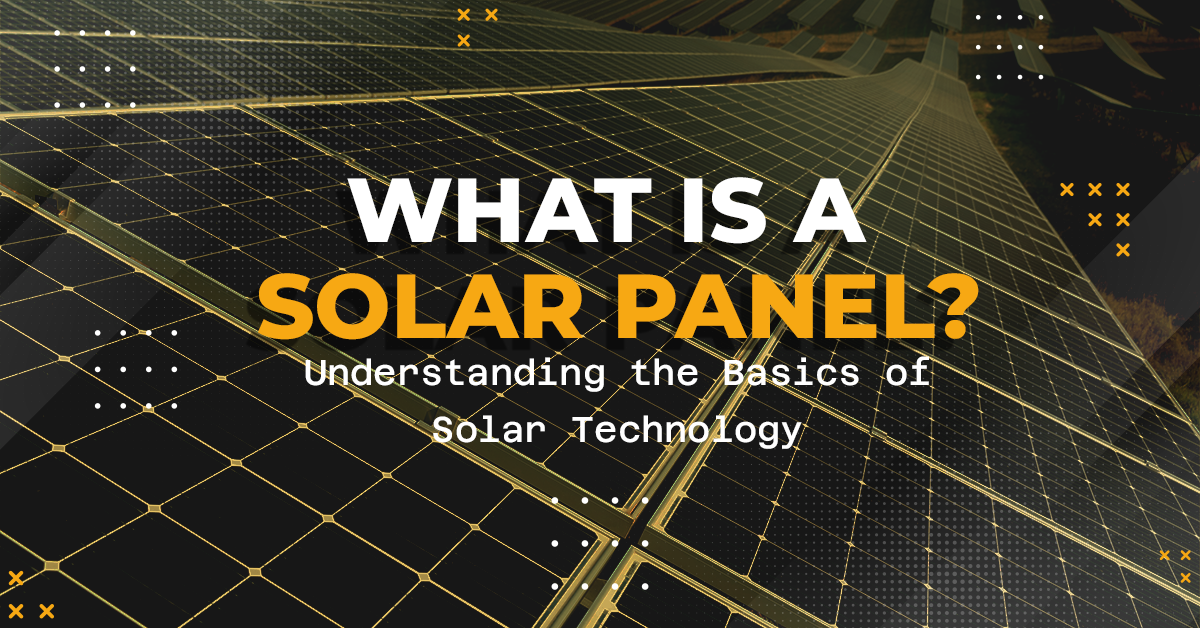
What is a Solar Panel? Understanding the Basics of Solar Technology
By Chris Ogilvie
A solar panel is more than just a piece of technology—it’s a gateway to clean, renewable energy. Solar panels also offer a gateway to more financial freedom. In the same way you buy a home to get ownership of your living space rather than paying another landowner, solar panels are how you get ownership of your energy production instead of paying that money to a power company.
But what exactly is a solar panel, and how does it work• Let’s take a deeper look into the components of a solar panel and how it actually generates electricity for your home.
The Anatomy of a Solar Panel
A solar panel, also known as a photovoltaic (PV) panel, is a device that converts sunlight into electricity. It’s made up of several key components that work together to harness solar energy:
- Photovoltaic Cells: These are the heart of the solar panel. Photovoltaic cells are
made from semiconductor materials, usually silicon, that absorb sunlight and
generate an electric current. Each cell produces a small amount of electricity, and
when combined, the cells generate enough power to be useful for homes and
businesses. - Glass Covering: The top layer of a solar panel is a durable glass covering that
protects the photovoltaic cells from weather, debris, and other environmental
factors while allowing sunlight to pass through. - Encapsulation: Beneath the glass is a layer of encapsulant material that cushions
and protects the photovoltaic cells, keeping them securely in place and preventing
moisture from reaching them. - Backsheet: The back of the panel is covered with a backsheet, which provides
additional protection from the elements and helps with insulation. - Frame: The entire panel is encased in a metal frame, typically made of aluminum,
which provides structural support and allows for easy mounting on roofs or other
surfaces. - Junction Box: Attached to the back of the panel, the junction box is where the
electrical connections are made. It contains diodes that prevent electricity from
flowing backward through the panel, ensuring that power only flows in the correct
direction.
How Solar Panels Work
The process of generating electricity from sunlight begins when sunlight hits the
photovoltaic cells in a solar panel. Here’s how it works:
- Absorption of Sunlight: When sunlight strikes the photovoltaic cells, it excites the
electrons in the semiconductor material, causing them to move. - Creation of Electric Current: As the electrons move, they create a flow of electric
current. This direct current (DC) electricity is what the solar panel generates. - Conversion to Usable Electricity: Since most homes use alternating current (AC)
electricity, the DC electricity from the solar panels is sent to an inverter, which
converts it to AC. This converted electricity can then be used to power your home or
business. - Net Metering: When your solar system produces more electricity than you need,
the excess energy will be sent back to the grid, earning you credits through an
agreement with your power company called Net Metering. These credits will be
used to offset your electricity consumption when your panels aren’t producing
enough energy, such as at night or during low sunlight winter months. Your panels
can overproduce enough electricity during the summer to fully cover your winter
months power bills.
Types of Solar Panels
Solar panels come in different types, each with its own advantages:
- Monocrystalline Solar Panels: These panels are made from a single crystal
structure and are known for their high efficiency and sleek appearance. They
perform well in low-light conditions and require less space compared to other types. - Polycrystalline Solar Panels: Made from multiple crystal structures,
polycrystalline panels are generally more affordable but slightly less efficient than
monocrystalline panels. They are a popular choice for homeowners looking for a
cost-effective option. - Thin-Film Solar Panels: These panels are made by depositing a thin layer of
photovoltaic material onto a substrate. They are lightweight, flexible, and can be
installed in a variety of locations. However, they are typically less efficient than
crystalline panels and may require more space.
Get the most out of your home solar installation with XOLAR
Solar panels are becoming increasingly popular as energy rates increase and more people seek sustainable energy solutions for their homes. Whether you’re looking to reduce your electricity bills, lower your environmental impact, or increase the value of your home, solar panels are the way to go.
We pride ourselves in offering a true white glove service, making sure you have a system design that covers all of your energy needs by using the very best technology available. XOLAR uses Tier 1 solar panels, which are the highest grade on the market, so after your system is paid off you will get free electricity for the next 30 or 40 years.
Our Solar Specialists and Project Managers can cleanly walk you through the steps of installing solar as well as help make sure you go through the process to get the most out of any government programs in your area. We’ll also get you started on the vital first step of acquiring a tailor-made solar proposal for your personal energy needs at home.
Schedule a consultation for our solar specialist’s expert guidance here.
XOLAR INC.
Xolar is a full service turn-key platform for transitioning both residential and commercial clients, book a free quote today!
Recent Posts
Follow Us
Monthly Testimonial
Facebook
Youtube
Instagram
Linkedin
On Key