How many solar panels do I need?
By Chris Ogilvie
One of the first questions that need to be answered if you are going solar is exactly how
many panels you need to buy. The answer isn’t one-size-fits-all because the number of
solar panels required depends on several factors unique to your home and lifestyle. Too
few panels would mean you aren’t covering enough of your power bill for it to be of value;
too many panels means that you might be overpaying since most provinces don’t let you
liquidate your Net Metering credits as cash. There is a sweet spot where you are producing
just enough energy and excess credits to cover your bill over a 365-day period.
What factors influence your system size?
Let’s look through some of the factors that influence your system size – and don’t be
overwhelmed, we will build a solar proposal for you based on all of these factors.
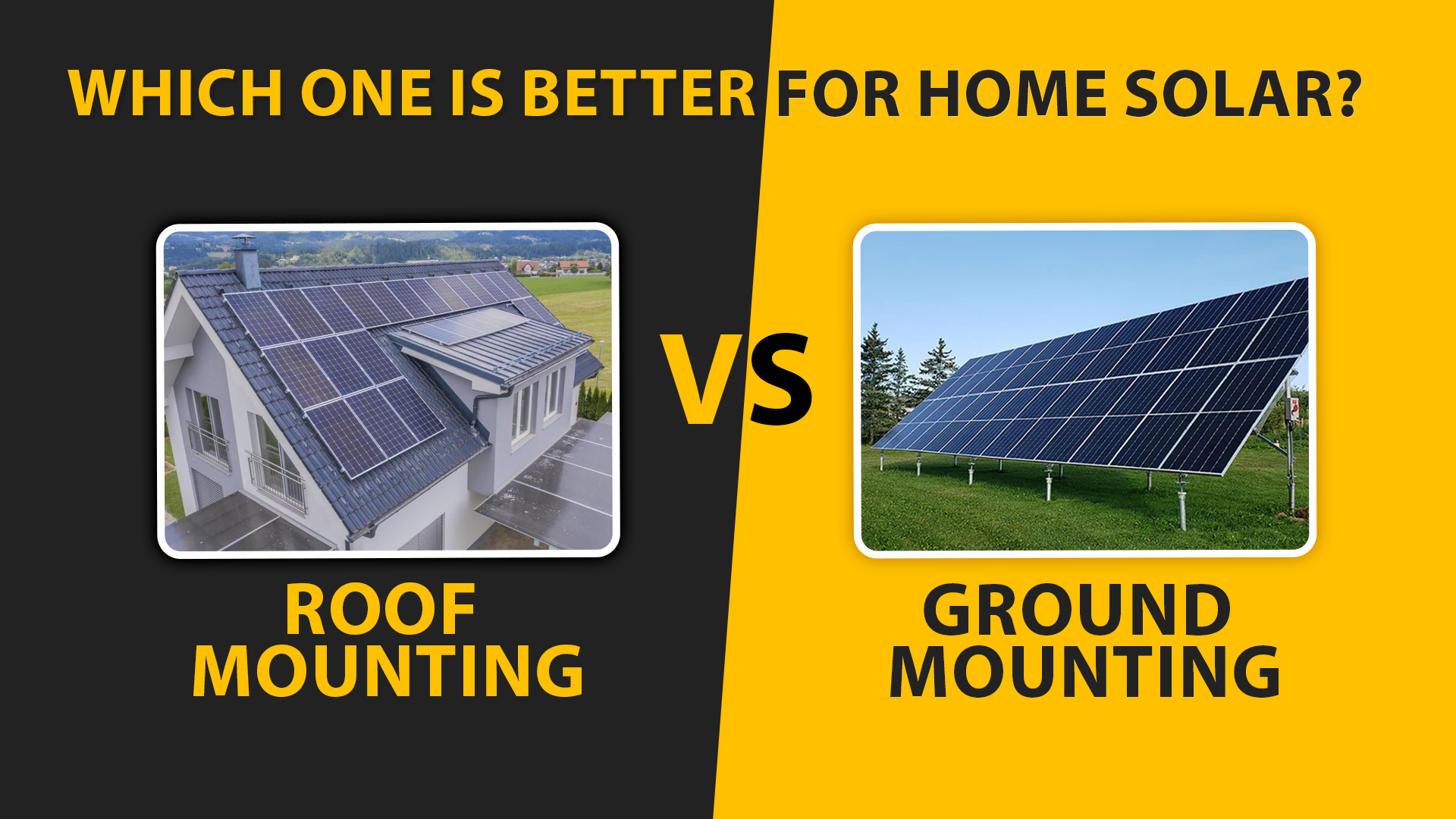
- Roof Space: The amount of available roof space can limit the number of panels you
can install. If space is limited, you may need to choose higher-wattage panels to
maximize energy production. We only use Tier 1 panels, which are the highest
wattage and most value since they can last 30 to 40 years. - Roof Orientation: Since Canada is in the northern hemisphere of the Earth, we get
all our most direct sunlight from the South. If your roof is facing south then you
have an optimal property for solar. This doesn’t rule out east/west facing roofs
though, you can design systems where your east facing panels capture the early day
sunlight and the west captures the sunlight of the afternoon. Roofs with steeper
slopes are also favorable for solar. - Sunlight Exposure: Roof Space and Roof orientation directly affect sunlight
exposure but also some provinces tend to get more direct sunlight than others. The
amount of sunlight your location receives directly affects your solar system’s
output. Areas with more sunlight require fewer panels to generate the same amount
of electricity. - Assess Your Yearly Energy Consumption: Your electricity bill is a good source of information—look for the section that shows your yearly consumption in kilowatt-
hours (kWh). This figure represents the total amount of electricity your household uses over the course of a year, taking into account seasonal fluctuations. - Future Energy Needs: Consider whether your energy needs might increase in the
future. For example, if you’re planning to add an electric vehicle (EV) or expand your
home, you might want to install additional panels now to accommodate higher
energy consumption later.
Understanding Solar Panel Output
The output of a solar panel is measured in watts, and panels come in a range of sizes, typically from 250 watts to 400 watts. Like I said earlier, we only use Tier 1 panels which are produce above 400 watts and last 30 to 40 years. The total energy production of a panel is calculated by multiplying its wattage by the number of hours it is exposed to sunlight each day under optimal conditions.
For instance, if you have a 400-watt solar panel and your location receives an average of 5 sunlight hours per day, that panel would produce 2,000 watt-hours or 2 kWh of electricity per day. Of course, not every day is optimal and our solar proposals are very conservative estimates that factor in average amounts of cloud cover over the year.
Calculating the Number of Panels
To determine the number of panels you need, divide your average monthly electricity consumption by the average monthly output of one panel. Of course, this is also impacted by factors listed above like your roof orientation and pitch, sunlight exposure, and future energy needs. We do all the calculations of the other factors for you. Most homes can cover their power bills on a system size of about 15-20 solar panels. Factoring in roof space, most of our clients can cover between 90-100% of their energy bills by going solar with the panels we use.
Upsizing Your Solar System
One of the advantages of solar energy is the ability to upsize your system over time. If your energy needs increase, you can add more panels to your existing system, provided you have the roof space and your inverter can handle the additional capacity. Upsizing allows you to start with a system that meets your current needs while keeping the option open for future expansion.
Get the most out of your home solar system with XOLAR
If this sounds overwhelming, don’t worry – there is an easy path forward. The first step is to acquire a solar proposal. By understanding your energy consumption, sunlight exposure, and roof orientation and space, we can design a solar solution that meets your needs both now and in the future. A well-sized solar system can help you achieve your energy goals and reduce your carbon footprint.
Our Solar Specialists and Project Managers can cleanly walk you through the steps of what is required and make sure you maximize the value of the provincial or federal programs in your area. We’ll also get you started on the vital first step of acquiring a tailor-made solar proposal for your residential project’s energy needs.
Schedule a consultation for our solar specialist’s expert guidance here.
XOLAR INC.
Xolar is a full service turn-key platform for transitioning both residential and commercial clients, book a free quote today!
Recent Posts
Follow Us
Monthly Testimonial
Facebook
Youtube
Instagram
Linkedin
On Key