How Do I Pick Which Equipment to Use for My Solar System?
By Chris Ogilvie
Navigating the Solar Market
Picking the right equipment for your solar system is key to getting the best efficiency, durability, and long-term savings. With everything from panels to inverters and batteries to think about, choosing the best options can feel like a lot. To help, we’ve broken down the essential components and the main factors to consider for your setup.
Solar Panel Efficiency and Performance
The efficiency and performance of your solar panels are big factors in how much energy your system generates. High-efficiency panels capture more sunlight per square foot, a huge plus if roof space is tight.
Also, think about style. Some panels come in sleek, all-black designs that blend right in, while others have a classic look. Pick a style that suits your home and fits your taste.
Choosing an Inverter
The inverter is crucial to converting the DC electricity generated by your panels into AC electricity that your home can use.
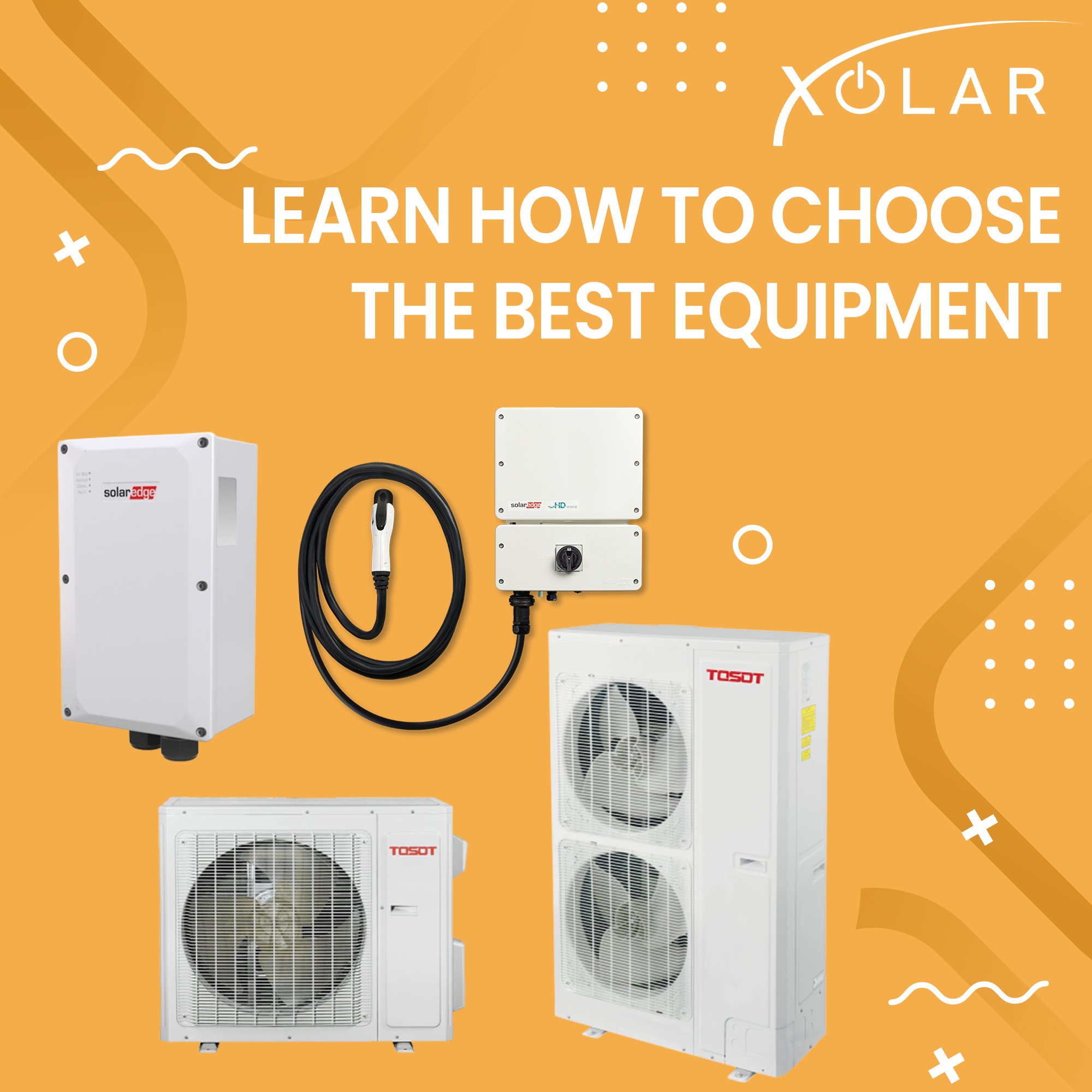
String inverters with DC optimizers are the best option for a home solar setup. Adding DC optimizers to each panel achieves efficiency levels similar to microinverters. This setup allows you to over-size your system, meaning you can generate more energy per dollar spent. Plus, because string inverters are located near your electric panel instead of on the roof, maintenance is easier and troubleshooting is more straightforward.
Energy Storage: Battery or Net Metering?
Energy storage choices depend on your main goal for going solar:
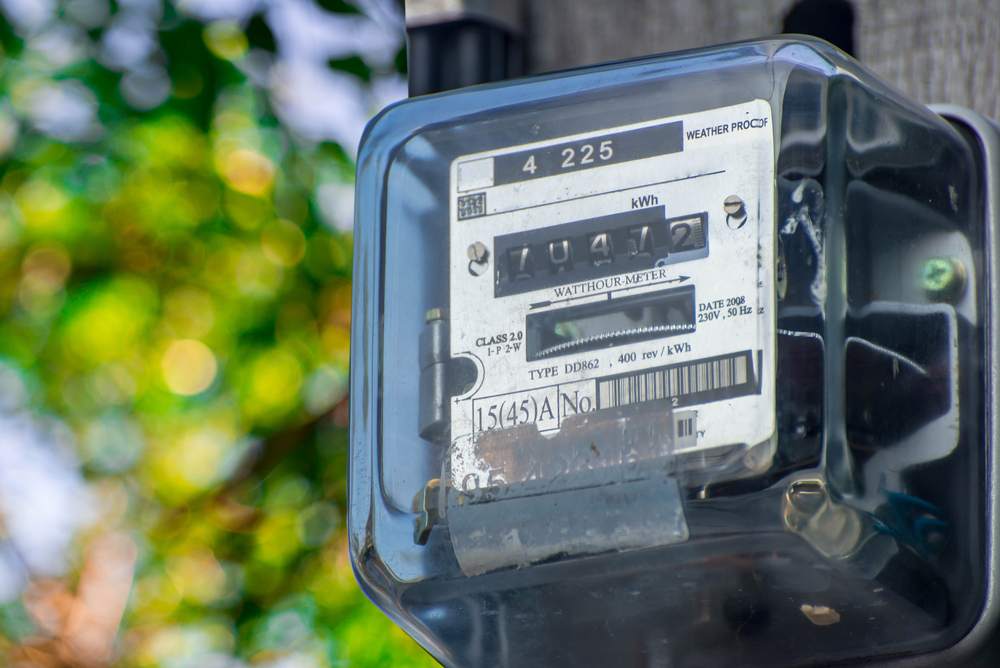
- Grid-Tied System with Net Metering: If saving money is your top priority, a grid-tied system with Net Metering might be your best option. Net Metering allows you to sell excess electricity back to the grid in exchange for credits, which you can use to offset your energy costs when your panels aren’t producing, like at night. This is how one way you can cover 100% of your power bills with solar.
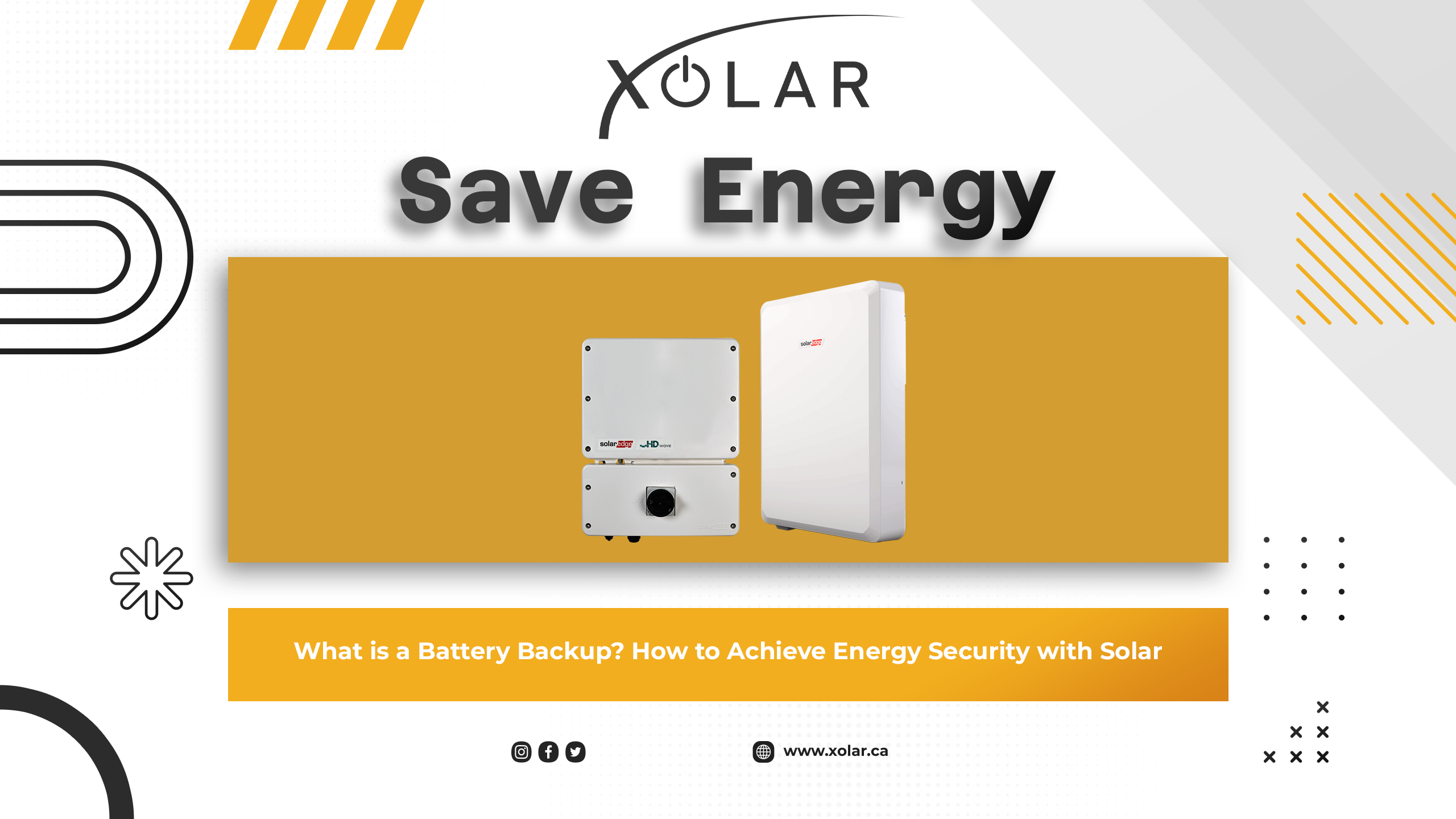
- Battery Backup: If energy security is your priority and you want to have electricity during outages, consider adding battery storage to your system. A battery allows you to store solar energy and use it during a power outage, providing peace of mind if reliability is a concern.
Durability and Warranties
Choosing top-quality equipment with solid warranties brings peace of mind and keeps your investment secure for the long haul.
Solar panels often come with 25-year warranties, meaning they’re built to keep producing reliably for decades. This long-term coverage means you’ll have a dependable source of power without constantly worrying about panel performance.
Inverters and batteries, generally have warranties lasting 10-15 years. Having a good warranty helps you manage future maintenance and budget for any potential replacements.
Strong warranties aren’t just a nice perk, they protect you from unexpected repair costs and show that the manufacturer stands behind their product. It’s a sign that they’re confident in their equipment’s ability to last and perform.
Compatibility of Components
Solar equipment isn’t always plug-and-play, so picking compatible components is a must. For example, some inverters are built to perform best with specific solar panels or battery setups. And don’t forget about your electric panel, it may need an upgrade to handle the extra power from a solar system. A top-notch installer will make sure everything works together smoothly, giving you the best performance and reliability possible.
Local Climate Considerations
Your local climate plays a big role in selecting the right solar equipment. Choose components that will perform well under your specific environmental conditions:
- Cold or Snowy Areas: For regions prone to heavy snowfall, consider adding snow guards to prevent large snow slides from your solar panels, which can protect both your system and your roof.
- Hot Climates: High temperatures can impact efficiency, so select panels and inverters that have a good track record for heat tolerance.
A knowledgeable installer will be able to guide you toward equipment that matches your local climate’s demands, ensuring your system operates effectively year-round.
Cost vs. Value
Budget matters, but think about the long-term value and savings your solar equipment can bring. Investing a bit more upfront in high-quality, efficient components can pay off big over time, these parts tend to perform better and last longer. With a well-chosen solar system that could last up to 40 years, starting with quality means you’ll enjoy reliable performance and savings for decades.
Final Thoughts
Choosing the right equipment for your solar system is a big deal, but with a little research and the right guidance, you can build a setup that matches your energy goals, fits your budget, and delivers for decades. A home solar system can last 30 to 40 years, so make sure you’re getting gear that’s built to go the distance. Work with a trusted installer who’ll help you pick components suited to your home, lifestyle, and local climate.
Interested in going solar?
The first step is to acquire a solar proposal. By understanding your energy consumption, sunlight exposure, and roof orientation and space, we can design a solar solution that meets your needs both now and in the future. A well-sized solar system can help you achieve your energy goals and reduce your carbon footprint.
Our Solar Specialists and Project Managers can cleanly walk you through the steps of what is required and make sure you maximize the value of any provincial or federal programs in your area. We’ll also get you started on the vital first step of acquiring a tailor-made solar proposal for your residential project’s energy needs.
Schedule a consultation for our solar specialist’s expert guidance here.
XOLAR INC.
Xolar is a full service turn-key platform for transitioning both residential and commercial clients, book a free quote today!
Recent Posts
Follow Us
Monthly Testimonial
Facebook
Youtube
Instagram
Linkedin
On Key